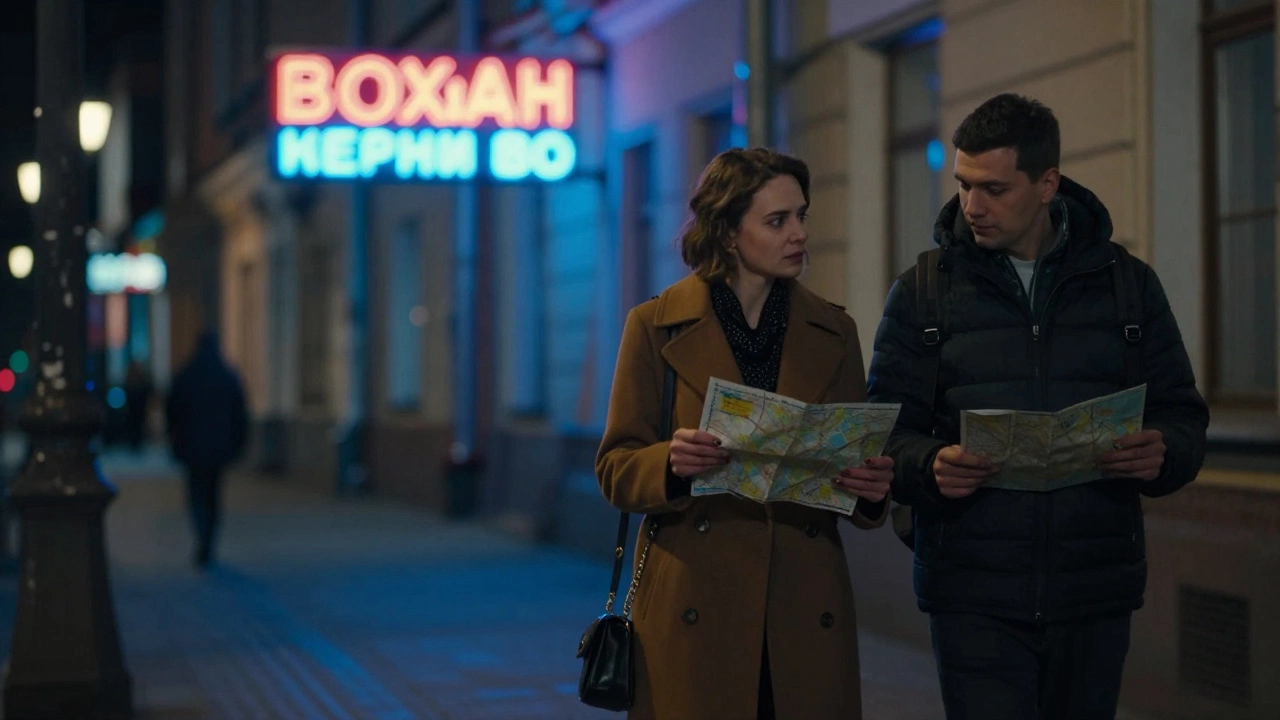
There’s a persistent myth floating around online that escort girls in Russian are trained guides who help tourists and locals navigate daily life. That’s not true. Not even close. The phrase sounds like something pulled from a bad translation or a poorly written travel blog. In reality, escort services in Russia - like in most countries - are tied to personal companionship, often with romantic or sexual undertones, and are legally murky at best. The idea that they’re official tour guides or cultural interpreters is a fiction, one that’s been repeated so often it’s become a meme. But if you’ve seen this claim, you’re not alone. Many people stumble across it while searching for something else - maybe russian massage dubai - and end up confused by what they find.
What makes this myth stick is the language barrier. Russian is a complex language, and many English speakers rely on automated translations or vague forum posts. A word like "эскорт" (eskort) might get translated as "escort," but it doesn’t mean "tour guide." It means someone hired to accompany you - socially, emotionally, or physically. In Russia, where public trust in institutions is low and informal networks thrive, people often turn to companions for help with things like navigating bureaucracy, translating documents, or even just having someone to talk to. But that’s not the same as being trained or certified. There’s no government program. No school. No diploma.
Where the confusion comes from
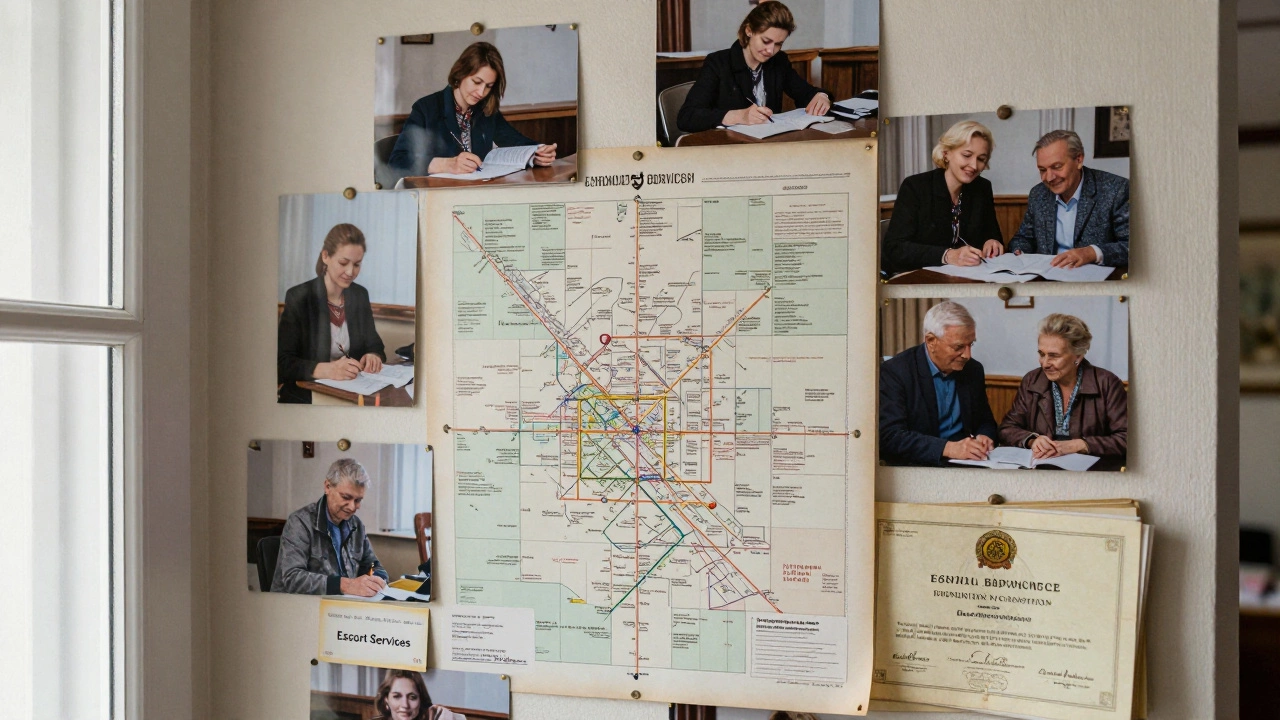
The mix-up likely started with a few isolated cases. In big cities like Moscow or St. Petersburg, some women who worked as escorts also spoke fluent English and helped foreign clients with basic tasks - booking hotels, ordering food, explaining metro maps. That’s not their job. That’s just being helpful. But over time, those anecdotes got twisted into a narrative: "Russian escorts are professional cultural assistants." It sounds plausible, especially if you’ve never been to Russia. The truth is messier. Most people who hire escorts aren’t looking for a language tutor. They’re looking for companionship, intimacy, or escape.
Some of these women do have university degrees. Some work multiple jobs - tutoring, translation, modeling - to make ends meet. But none of that makes them guides. If you need someone to show you the Hermitage or explain Soviet history, hire a licensed tour operator. There are hundreds of them. They’re affordable, reliable, and legal. The idea that you’d pay someone for sex and expect them to double as your personal historian is not just unrealistic - it’s disrespectful to both the profession and the culture.
Why this myth spreads online
Search engines don’t care if something is true. They care about what people type. If thousands of users search for "escort girls in Russian" and land on a blog that says they’re trained guides, Google will keep showing that blog because it matches the query. Algorithms don’t fact-check. They optimize for clicks. That’s how false information becomes a top result. You’ll find YouTube videos with titles like "I Hired a Russian Escort and She Taught Me How to Use the Metro" - all staged, all scripted, all designed to get views. Some are even filmed in Dubai, where the legal landscape is different and the audience is more international.
That’s where keywords like "happy ending massage" creep in. People searching for that phrase aren’t looking for cultural insights. They’re looking for sexual services. And when those searches get mixed up with searches for "escort girls in Russian," the result is a jumbled mess of misinformation. It’s not about education. It’s about desire. And the internet is very good at feeding desire with plausible lies.
The reality of companionship in Russia
Real companionship in Russia often happens outside the spotlight. It’s not glamorous. It’s not advertised. It’s a woman helping an elderly neighbor carry groceries. It’s a student helping a foreigner fill out a visa form because no one else will. It’s a man sitting with a widow who lost her husband, just to keep her from feeling alone. These acts aren’t paid. They’re human. And they’re everywhere - but you won’t find them on escort websites.
There are women in Russia who do work as escorts. Some do it because they’re desperate. Others do it because they enjoy the freedom it gives them. But none of them are trained guides. None of them have official certifications. None of them are listed in tourist brochures. If you want to learn about Russian culture, read books by Russian authors. Talk to locals. Visit museums. Hire a real tour guide. Don’t confuse a transactional relationship with cultural exchange.
What about "massage republic dubai"?
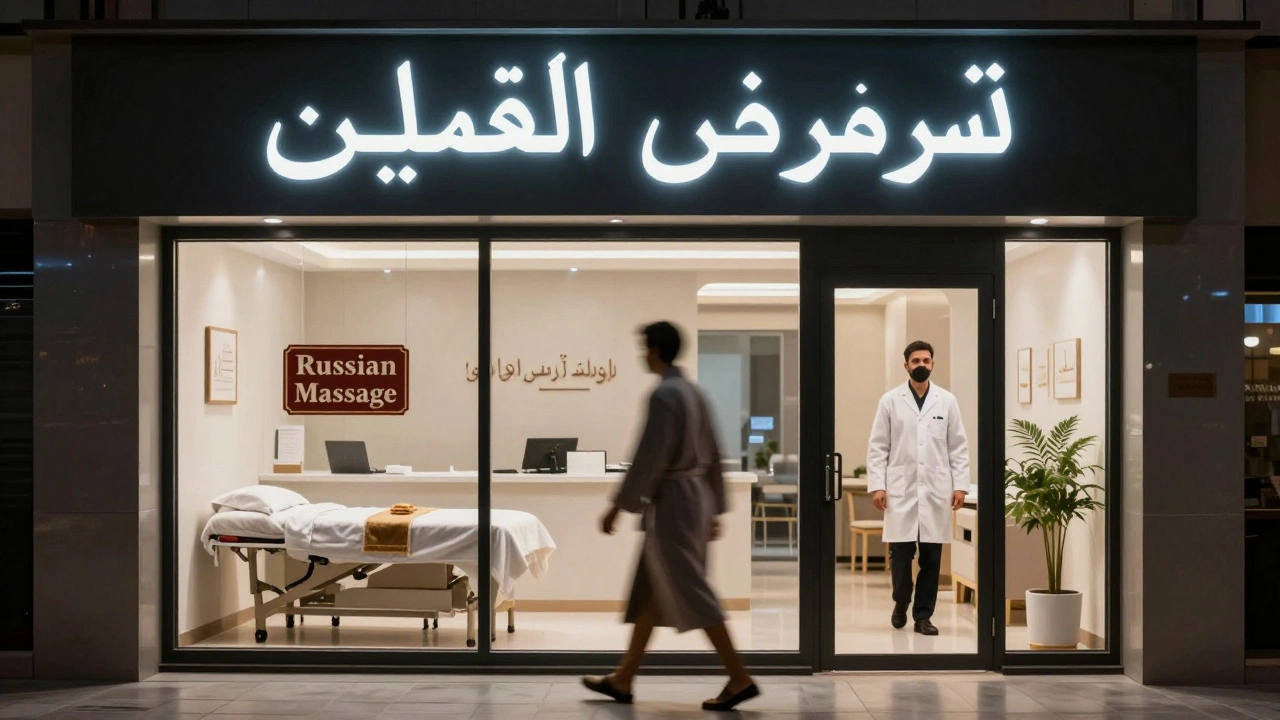
That’s another red flag. "Massage republic dubai" sounds like a legitimate business name - clean, professional, maybe even upscale. But in practice, it’s often a front. In Dubai, massage parlors are legally allowed to offer therapeutic services. But many operate in a gray zone, offering what’s euphemistically called "special treatments." The same goes for "russian massage dubai." The term doesn’t refer to a traditional Russian technique. It’s a marketing label. It’s meant to suggest exoticism, sensuality, and secrecy. It’s not about anatomy or pressure points. It’s about desire.
And here’s the thing: if you’re looking for a massage in Dubai, go to a licensed spa. Ask for credentials. Check reviews. Look for licensed therapists with training in physiotherapy or sports medicine. Don’t fall for buzzwords. Don’t assume "Russian" means better. It doesn’t. It just means someone’s trying to sell you something.
The danger of romanticizing exploitation
There’s a quiet, dangerous trend in Western media: turning sex work into something noble. A woman helping tourists? How brave. A woman speaking three languages? How intelligent. A woman who pays her sister’s medical bills? How admirable. All true - and all irrelevant to the fact that she’s being paid for sex. That doesn’t make her a hero. It makes her a person trying to survive in a system that offers few options.
When we invent myths about escort girls being trained guides, we’re not honoring them. We’re sanitizing exploitation. We’re pretending that paying for companionship is the same as learning a culture. It’s not. One is transactional. The other is educational. One requires consent. The other requires curiosity. Don’t confuse the two.
What you should do instead
If you’re traveling to Russia and want to understand the culture, here’s what works:
- Book a licensed tour guide through a reputable agency like Russia Travel or Intrepid.
- Learn basic Russian phrases - even "spasibo" (thank you) goes a long way.
- Visit local markets, not just tourist traps.
- Read Russian literature - Dostoevsky, Chekhov, Zamyatin.
- Use translation apps like Yandex.Translate, which works better than Google in Russian.
And if you’re looking for relaxation, go to a real spa. Not one that calls itself "happy ending massage." That’s not a service. That’s a legal risk.
Final thoughts
The myth of the trained Russian escort guide is a product of ignorance, laziness, and wishful thinking. It’s not harmless. It distorts reality. It puts real people in danger. And it makes it harder for people who actually need help - like foreign students, elderly expats, or refugees - to find real support.
Don’t believe everything you read online. Especially when it sounds too convenient. There’s no secret network of Russian women trained to guide tourists. There’s no magical solution to cultural confusion. There’s only effort. Patience. And respect.